
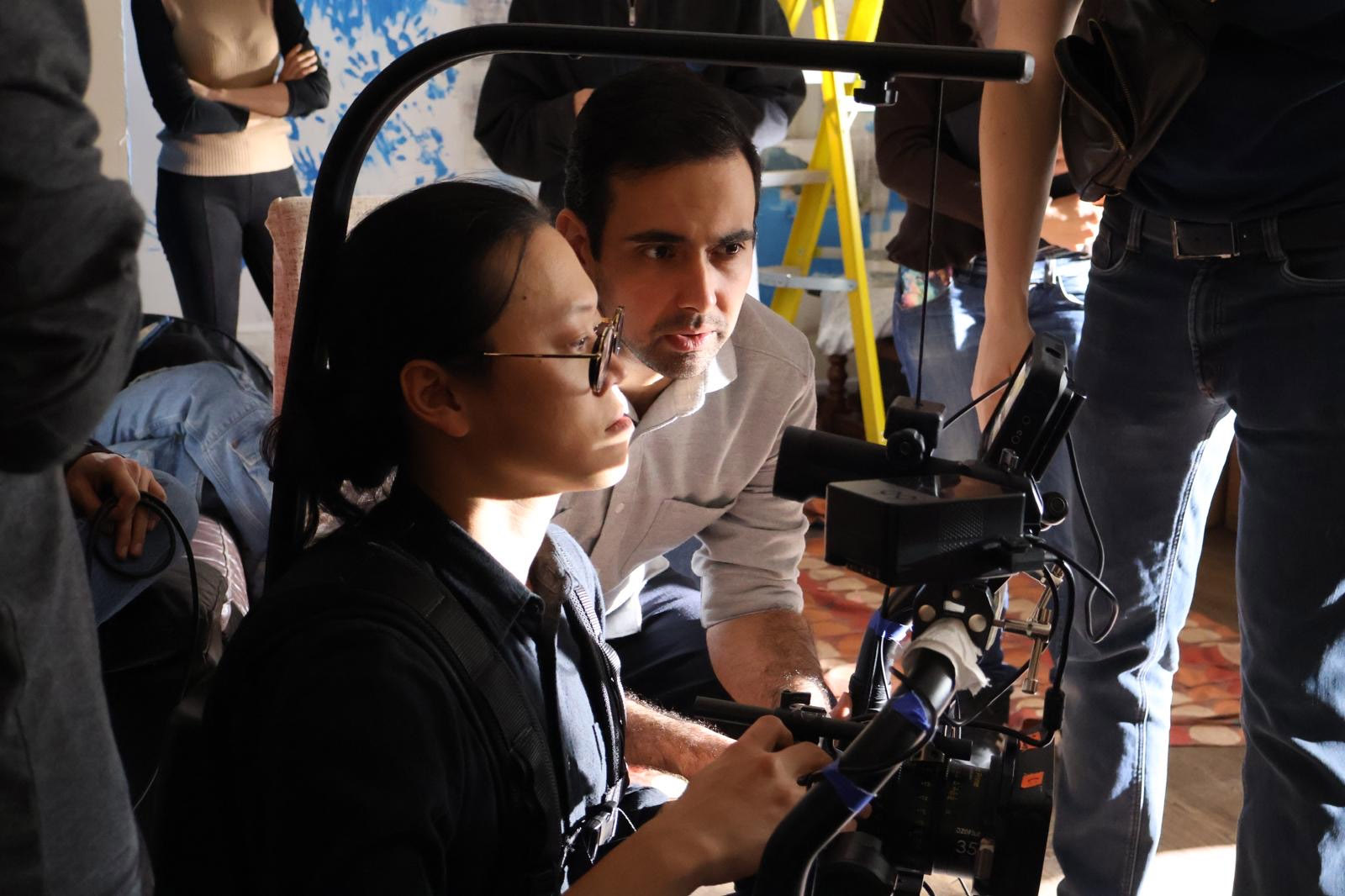
For independent filmmakers, finishing a film is only the beginning. Getting your work in front of the right audiences, festivals and industry professionals requires almost as much thought as the filmmaking itself.
For LFA MA Filmmaking alumnus Amirhossein Hatami, that strategy has become a central part of his career. Now working as a freelance filmmaker, producer and international film festival strategist, Amir has helped distribute more than 30 independent films, securing over 200 official festival selections across the world. His film Somewhere to Stay, was selected by 65 international film festivals and received eight international prizes.
With submission season upon us here at LFA, we caught up with Amir to share five key tips for filmmakers approaching film distribution and the festival circuit.
1. Build your festival strategy around your budget
When it comes to film festivals, more submissions don't necessarily mean better results. Amir recommends building a strategy around your budget, your film and your objectives, rather than simply submitting to as many festivals as possible.
Instead, think carefully about where your film belongs and what you want to achieve. A targeted combination of top-tier and mid-tier festivals can be more effective than spreading your budget too thinly across hundreds of submissions.
It's also important to do your research. Amir warns filmmakers to be particularly careful about fake or low-quality festivals and to make sure they understand what each festival can realistically offer their film.
The takeaway: Treat your festival submissions as an investment. Research where your film fits, set a realistic budget and make every submission count.
2. Be realistic about your chances
Amir stresses the importance of balancing ambition with realistic expectations. The world's most prestigious festivals receive enormous numbers of submissions and have extremely limited places available. That doesn’t mean you shouldn’t submit your film to them. It simply means your festival strategy shouldn’t depend entirely on a handful of highly competitive festivals.
Look for festivals where your film has a genuine connection, where its subject matter or genre fits the programme, and where there is a realistic opportunity for your work to make an impact.
The takeaway: Aim high but build a strategy that gives your film multiple opportunities to succeed.
3. A festival screening is the beginning - not the finish line
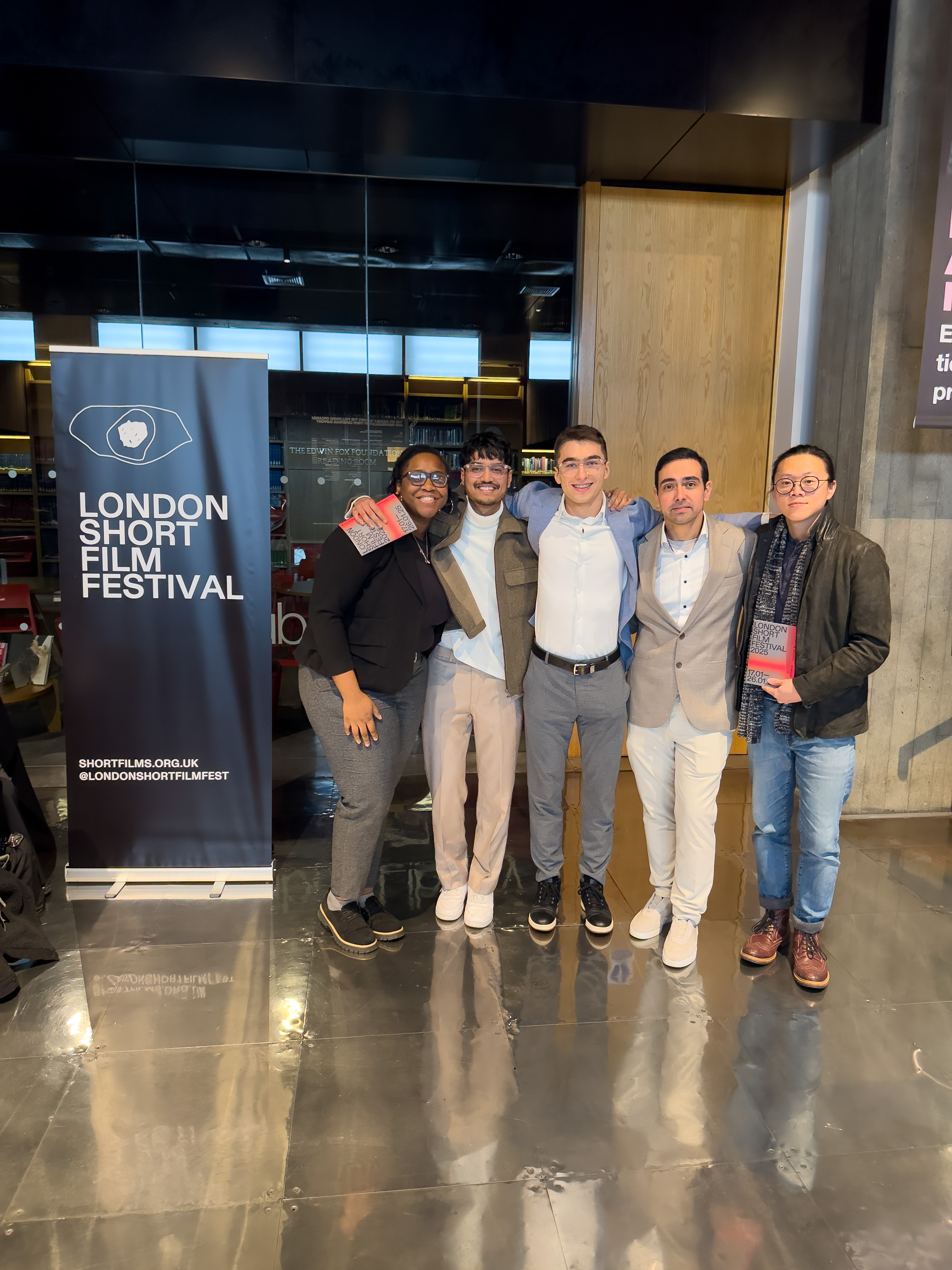
Getting selected by a festival is a huge achievement. But once you've received that acceptance email, the work isn't over. According to Amir, filmmakers should have a plan for what happens after the selection.
The festival circuit can become part of a much larger campaign for your film. It is important to think about the festival journey as a process, rather than a series of isolated selections.
The takeaway: Before you arrive at a festival, know what you want to achieve while you're there.
4. Relationships can be just as valuable as selections
Amir's experience has shown him the value of creating connections. His work has involved collaborating with independent filmmakers and production companies on festival positioning, premiere planning, and international distribution.
So, when you attend a festival, don't just think about getting your film seen:
• Talk to people.
• Ask questions
• Watch other films
• Attend industry events
• Introduce yourself to programmers and other filmmakers.
The takeaway: A festival selection might last a few days. A good industry relationship can last for years.
5. Talk to a distributor before you start shooting
Filmmakers often wait until post-production is finished to start thinking about how and where their film will be released. Amir recommends bringing distribution into the conversation much earlier.
Having this conversation during development or pre-production can help you understand how your film might be positioned, which audiences you're trying to reach and what opportunities might exist once production is complete.
It can also influence decisions around your festival strategy, promotional materials, and overall marketing approach.
For Amir, distribution isn't something that happens after filmmaking. It's something that can be considered alongside the filmmaking process itself.
The takeaway: Don't wait until your film is finished to ask, “What happens next?” Start thinking about its journey from the very beginning.
Filmmaking and distribution
Amir's career demonstrates how filmmaking skills can develop into opportunities across the wider industry.
After completing his MA Filmmaking at London Film Academy, he went on to build a successful career spanning filmmaking, producing and international distribution.
Read more alumni success stories here and apply for our MA Filmmaking course here.